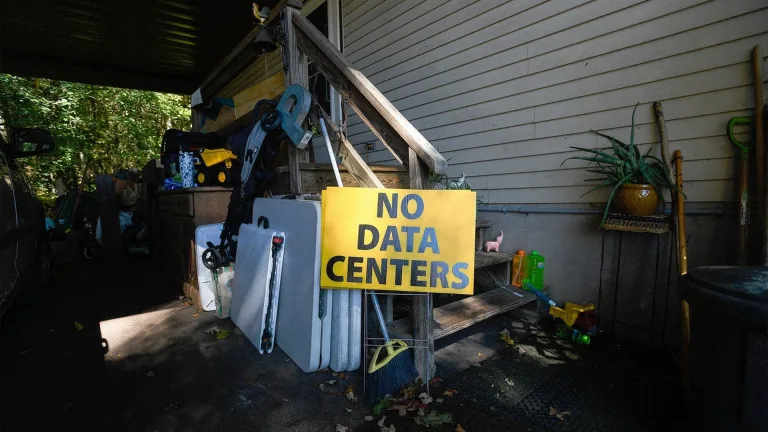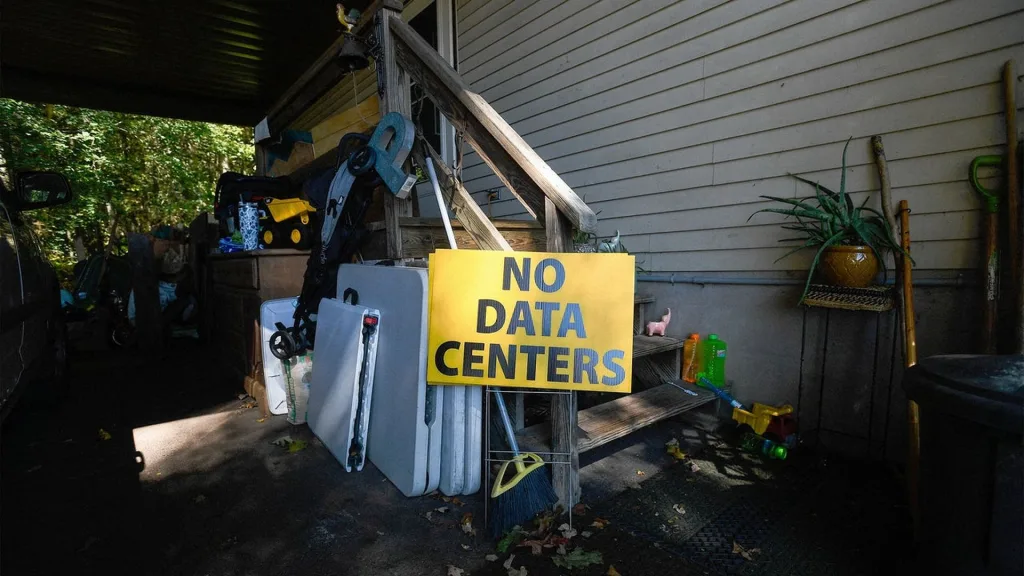
In a surprising turn of events during the 2026 midterm elections, AI data centers experienced significant pushback from voters across the United States. Although former President Donald Trump was not on the ballot, his support for the tech industry was palpable in the measures presented on local ballots in over 30 districts.
Voters were given the opportunity to voice their opinions on the development of AI data centers, and the results were overwhelmingly negative. In a staggering outcome, residents chose to ban or pause local data center projects in 38 out of 41 ballot measures, with only a few results pending at the time of reporting.
The Implications of Voter Sentiment
This decisive rejection comes at a time when the tech industry, particularly AI development, is rapidly expanding. Many local communities are concerned about the environmental impact, increased traffic, and potential strain on local resources that accompany the establishment of large data centers. Residents are raising valid questions about the long-term implications of such projects on their communities.
In places like Seattle and Los Angeles, the results reflect a growing awareness and skepticism towards unchecked technological expansion. The backlash against these data centers highlights a critical need for dialogue between tech companies and local governments to address community concerns while fostering innovation.
What Lies Ahead for AI Development?
The defeat of these measures indicates a pivotal moment for the AI industry. As data centers become integral to the functioning of AI technologies, their future will largely depend on how well they can align their development strategies with community interests. This may involve ensuring sustainable practices, contributing to local economies, and engaging in transparent communication with residents.
As we look further ahead, the AI sector must take heed of this voter sentiment. The battle over data centers is not just about technology; it’s about community trust and the social contract between innovators and the public. If tech companies can adapt and respond effectively to these concerns, they may find a path forward that is beneficial for all parties involved.