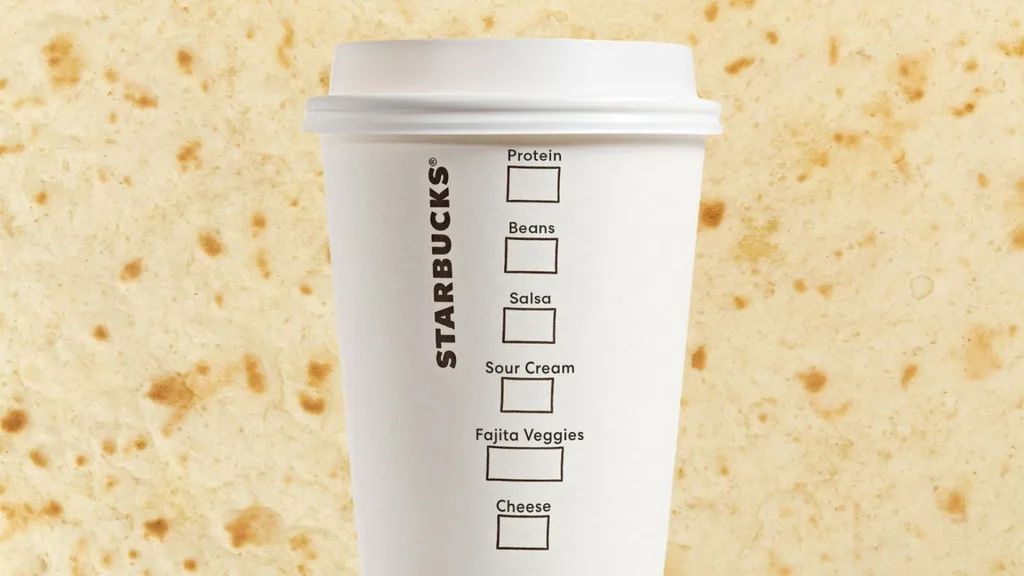
The potential merger of Starbucks and Chipotle could redefine the fast food landscape. Recent reports from the Financial Times suggest that Starbucks is contemplating a takeover of the burrito giant, which would mark the largest restaurant merger in history, valued at approximately $41 billion.
This proposed deal brings to light the intriguing possibility of combining the coffee culture of Starbucks with the fresh, fast-casual dining experience that Chipotle offers. If realized, it would not only reshape menus but could also alter consumer habits, merging the coffee break with the lunch rush.
The Impact on Fast Food Dynamics
For entrepreneurs in the food industry, the implications of such a merger are significant. It highlights how traditional restaurant models are being challenged by larger brands seeking diversification. By exploring this acquisition, Starbucks could expand its customer base beyond coffee drinkers and into the realm of quick-service dining.
This strategic move could create new opportunities for cross-promotion, allowing Starbucks to offer food items that pair well with its beverages. Imagine enjoying a Chipotle burrito alongside your favorite Frappuccino—a blend of flavors that could attract a wider audience and enhance customer loyalty.
What This Means for Entrepreneurs
While this potential merger is monumental, it serves as a reminder for entrepreneurs to stay agile and innovative. The food industry landscape is rapidly evolving, and understanding consumer preferences is key. Networking with other industry leaders and staying informed about market trends can provide insights into how to adapt and thrive in a competitive environment.
Moreover, the prospect of founder burnout is real; managing a merger of this scale requires robust leadership and delegation skills. Entrepreneurs can learn from this scenario about the importance of maintaining a positive mindset, effective time management, and balancing personal well-being with business demands.
As the discussions around this blockbuster merger continue, both companies’ stakeholders will be watching closely. The outcome could set a precedent for future collaborations between major brands in the fast food sector, shifting the industry’s dynamics for years to come.