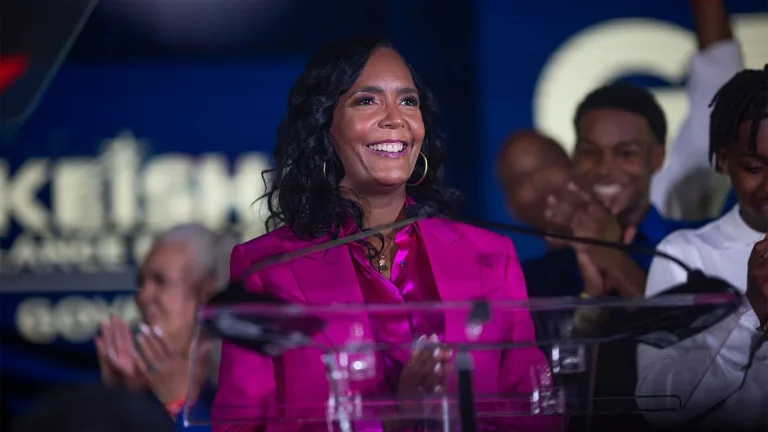
In the wake of the recent elections, a surprising narrative is emerging: climate change, though not a focal point during campaign discussions, has managed to assert its presence in American politics. The outcome indicates a potential surge in green policies that could reshape the environmental landscape in the coming years.
Despite the heavy criticisms of environmental policies from the current administration, voters have shown a willingness to embrace candidates and policies that advocate for climate action. The 2026 midterm elections were marked by a noticeable reluctance among candidates to prioritize climate change in their platforms, reflecting a strategy that many believed would resonate with battleground voters.
Voter Sentiment Shifting Towards Climate Action
However, the election results tell a different story. With a blue wave sweeping through key districts, it appears that voters are gradually recognizing the importance of climate-related issues. As more constituents express concern over environmental degradation and its impacts, the prospects for robust climate policies are becoming increasingly viable. This shift in sentiment may be driven by a growing awareness of extreme weather events and their connection to climate change, which have significantly affected local communities.
Political analysts suggest that the new Democratic majority could be well-positioned to champion ambitious green initiatives. These initiatives may include enhancing renewable energy infrastructure, promoting sustainable practices among businesses, and implementing stricter regulations on pollution. With the right support, this could lead to a new era of climate policy that not only addresses environmental challenges but also stimulates economic growth through green technology.
The Path Forward for Green Policies
As the nation looks ahead, the implications of a stronger commitment to climate action are profound. Entrepreneurs and small business owners should be aware that the push for sustainability could open doors to new market opportunities. Investing in green technologies and sustainable practices may not only align with emerging regulations but also appeal to a more environmentally conscious consumer base.
In conclusion, while climate change may not have dominated the 2026 midterm campaigns, the electoral outcomes suggest a latent readiness among voters for climate action. As the new administration takes shape, the focus may shift towards implementing green policies that could significantly impact both the economy and the environment.